First Thing to Teach a New Puppy: Name + Come
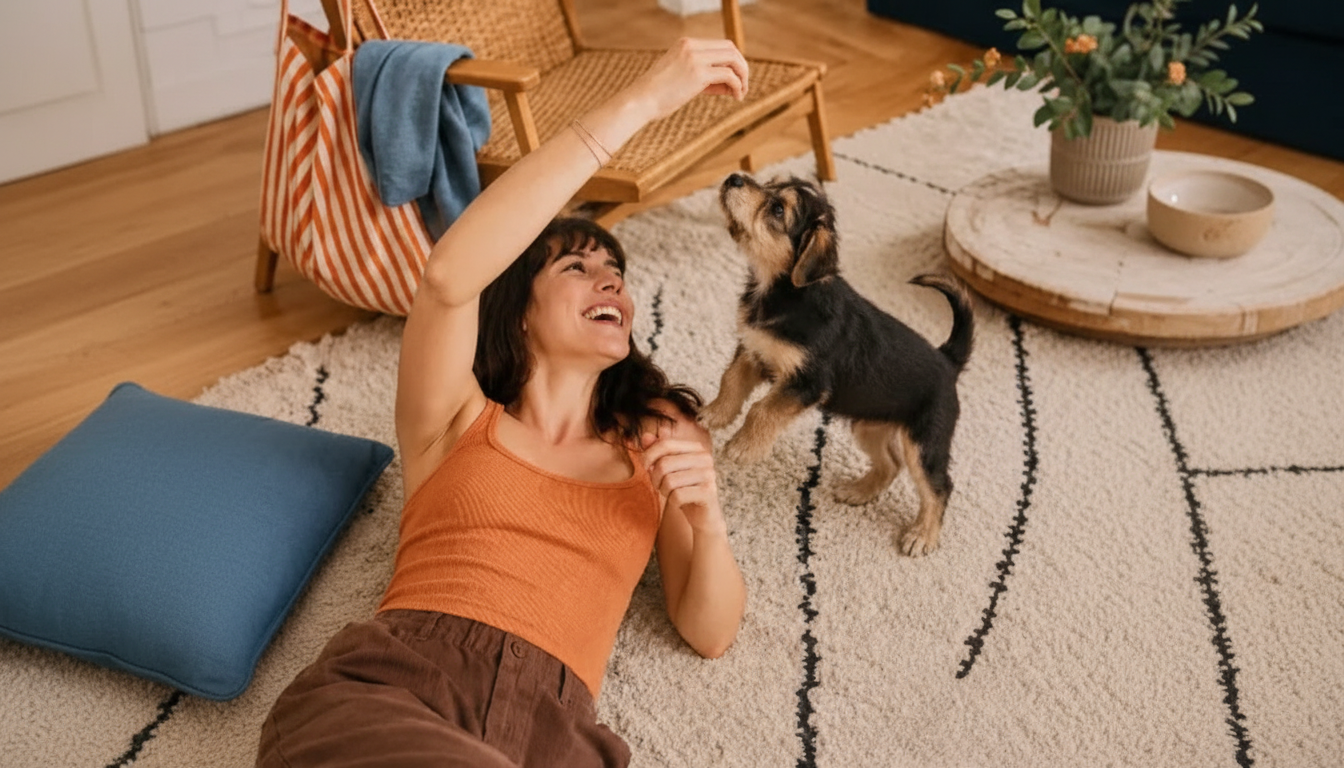
What is the first thing you should teach a new puppy?
The first thing to teach a new puppy is their name—followed immediately by a reliable “come.” A puppy who knows their name and happily checks in when called is easier to keep safe, easier to redirect from trouble, and faster to train in every other area.
Start with the name (and make it mean good things)
Say your puppy’s name once in a cheerful tone. The moment they look at you, mark the success with praise and give a small treat. Repeat in short bursts (10–20 seconds) several times a day. If they don’t respond, don’t repeat the name over and over—make a small noise, move a step away, then reward as soon as they glance at you.
Teach “come” as a safety skill, not a command battle
Once the name is getting consistent attention, pair it with “come.” From a few feet away, say “Puppy, come!” and back up a step. When they move toward you, reward generously. Keep it fun: high-value treats, happy voice, and a quick release back to play. This builds a reflex to run to you rather than a habit of hesitating.
Keep sessions tiny and stack wins
New puppies learn best in micro-sessions throughout the day. Practice in quiet rooms before adding distractions like visitors, the yard, or other pets. Avoid calling your puppy for things they dislike (nail trims, ending play, bath time). If you must do something unpleasant, go get them instead—protecting “come” keeps it powerful.
What to teach next
After name and recall, prioritize house-training routines, gentle handling (paws, ears, mouth), and simple cues like “sit” and “leave it.” For a step-by-step breakdown and additional early-training priorities, visit the full guide here.
FAQ
How do you crate train a puppy without whining?
Feed meals and toss treats in the crate so it predicts good things, then start with short door-closed sessions while your puppy is tired. Build duration gradually, keep the crate near you at first, and take them out for calm potty breaks so whining doesn’t become a way to get playtime.










Leave a comment